
WCP Zambia
Latest News
Stay Informed: The Latest Updates on Wildlife Conservation and Our Ongoing Efforts
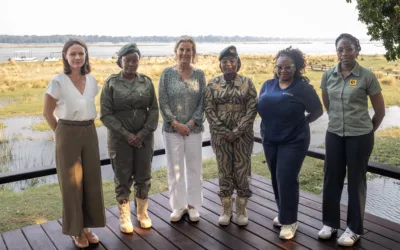
The Duchess of Edinburgh Meets the Women Protecting Zambia’s Wildlife
From community scouts to wildlife police officers, women are playing an increasingly important role in protecting Zambia’s wildlife. During a roundtable with the Duchess of Edinburgh, they shared their experiences, challenges and hopes for a more inclusive future in conservation.
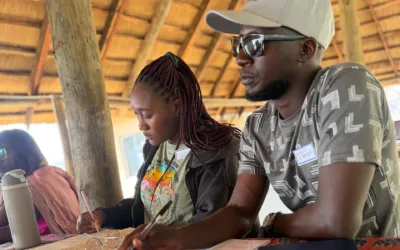
Gender Equality and Leadership Through the Eyes of a W4C Leader
What does it really mean for women to participate in conservation? For W4C leader Chanda Mutuna, a recent leadership retreat prompted deeper reflection on participation, influence, power and the role she can play in creating space for other women to lead.
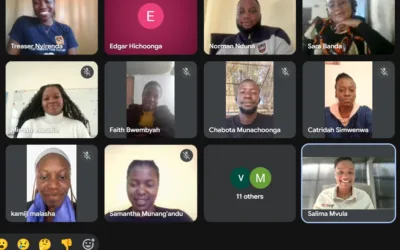
Women for Conservation Leadership Programme Expands Reach with Second Cohort
WCP Zambia has launched the second cohort of its Women for Conservation Leadership Programme, doubling participation to 10 emerging conservation professionals. The year-long programme combines mentorship, practical skills development and gender-aware leadership training to equip the next generation of conservation leaders with the confidence, knowledge and networks to drive meaningful change for wildlife, people and Zambia’s conservation sector.
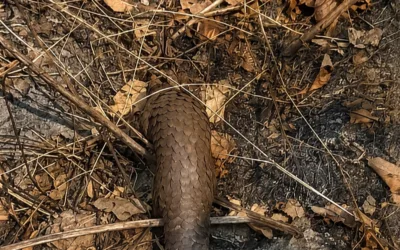
From Awareness to Action: Solwezi Community Helps Save an Endangered Pangolin
A community-led response in Solwezi has helped save an endangered tree pangolin after residents, traditional healers, WCP Zambia and the Department of National Parks and Wildlife worked together to protect and safely return the animal to the wild. The rescue highlights how conservation awareness, trusted community partnerships and clear reporting channels can turn knowledge into meaningful action.
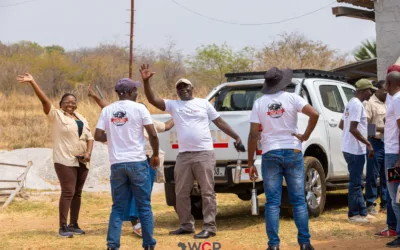
A Decade of Impact and the Path to a Sustainable Wildlife Economy in Zambia
Over nearly a decade, the This Is Not A Game (TINAG) Campaign has worked to combat illegal bushmeat trade while promoting a sustainable legal wildlife economy in Zambia. This article explores its impact on consumer behaviour, market development, business formalisation and community livelihoods.
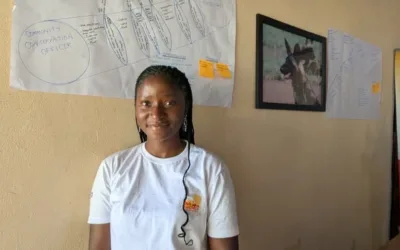
Women for Conservation Leadership Programme Celebrates Inaugural Graduation
In this article, we celebrate the graduation of the inaugural Women for Conservation Leadership Programme cohort, highlighting the participants’ year-long journey of mentorship, skills development and gender-responsive leadership, and the lessons and experiences shaping their future careers in conservation.

Protect the Pangolins Campaign Reaches Key Forest Communities at Agricultural Show
In this article, we explore how WCP Zambia’s Protect the Pangolins campaign is using community theatre, humour and locally driven storytelling to raise awareness about pangolin protection among farmers and forest-edge communities in Solwezi.
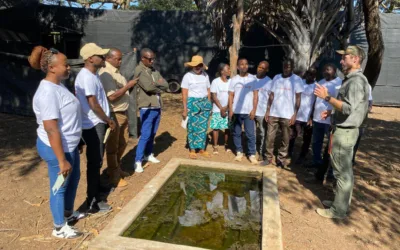
Community Game Ranching: Zambia’s Answer to the Illegal Bushmeat Trade
In this article, find out how community game ranching could provide sustainable livelihoods while reducing the demand for illegally sourced bushmeat. Through TINAG’s support to the Chitimbwa Iyendwe Conservation Project, communities are gaining practical exposure to successful game farming models and exploring how wildlife can become a source of income, food security and long-term conservation.

ECJ Cohort Three Embarks on Transformative Lower Zambezi Field Experience
In this article, explore how WCP’s Environmental Crimes Journalism Fellowship is equipping Zambian journalists with practical knowledge to report on environmental governance, mining and conservation. Cohort Three’s field visit to Chirundu and the Lower Zambezi offered firsthand insights into the ecological and economic value of protected areas and the importance of evidence-based environmental journalism.
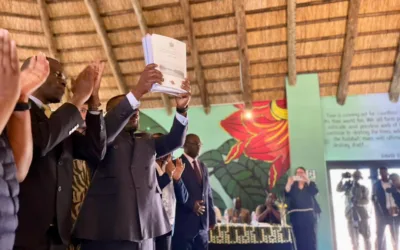
How General Management Plans are Shaping the Future of Zambia’s Wildlife and Tourism
Zambia’s General Management Plans are providing a long-term roadmap for strengthening wildlife conservation, guiding sustainable tourism, and improving community participation across protected areas. Developed through years of stakeholder engagement, the plans aim to balance the protection of Zambia’s natural ecosystems with economic development and community needs.