
By Salima Mvula
The journey into conservation leadership is rarely straightforward. For many early-career professionals, navigating the sector involves not just developing technical knowledge and gaining practical experience. It also requires access to opportunities, professional networks, guidance, and the confidence to take on new responsibilities.
Mentorship can play an important role in this journey. By connecting emerging professionals with individuals who have experience in the field, mentorship creates opportunities to learn from others, gain different perspectives, and better understand the pathways available within the conservation sector.
For early-career conservationists, having someone to offer guidance, share lessons from their own experiences, and provide encouragement can make a meaningful difference. It can help individuals identify their strengths, navigate professional challenges, and make more informed decisions about their careers.
For women working in conservation, these opportunities are particularly important. Despite their contributions across the sector, women continue to face barriers to professional advancement, including under-representation in leadership positions and limited access to networks and opportunities that support career progression. Creating spaces where women can learn from and support one another is therefore an important part of building a more inclusive conservation sector.
For Suuba Muyamwa, mentorship came at a point in her career when she was beginning to explore how her experience in environmental education and community development could translate into a more defined role in conservation leadership.
In 2020, Suuba was working as a Buildings and Community Liaison Officer with African Impact in Livingstone. Although she had experience working with young people and communities, she recognised that she needed greater exposure to the conservation sector, stronger professional networks and the confidence to identify where her skills and experience could contribute.
Suuba’s journey highlights the transformative impact of WCP Zambia’s Women for Conservation (W4C) mentorship programme and networking opportunities. Coming from outside town to attend events in Lusaka, Suuba demonstrated remarkable dedication by showing up to every networking opportunity. Her unwavering commitment allowed her to fully absorb the mentorship, build invaluable professional connections, and support her journey as a passionate leader in conservation. Her experience underscores how intentional mentorship, combined with personal drive, can bridge geographical gaps and empower the next generation of women conservation leaders.
Having spent much of her career creating opportunities for others, she recognised the importance of investing in her own professional growth.
“I was not necessarily searching for a new direction; I was searching for the confidence, guidance and networks to fully embrace the direction I was already heading in,” she reflects.
Through the Women for Conservation Mentorship Programme, Suuba had the opportunity to connect with experienced women in the sector, learn from their professional journeys and gain insights that helped her approach her own career more intentionally.
One of the most important lessons she took away was that leadership was not about having all the answers or waiting until she felt completely ready. Rather, it was about recognising the value of her existing experience, being willing to learn and having the confidence to contribute.
“Perhaps the most lasting impact was a shift in how I viewed myself. I moved from asking whether I belonged in conservation leadership to recognising that I had something valuable to contribute.”
Since completing the mentorship programme, Suuba’s professional journey has continued to develop, with leadership responsibilities spanning education and conservation. She served as Head of the Science Department at Arise Christian School, Acting Deputy Head and later Head Teacher at Little Woods and Further West Academy.
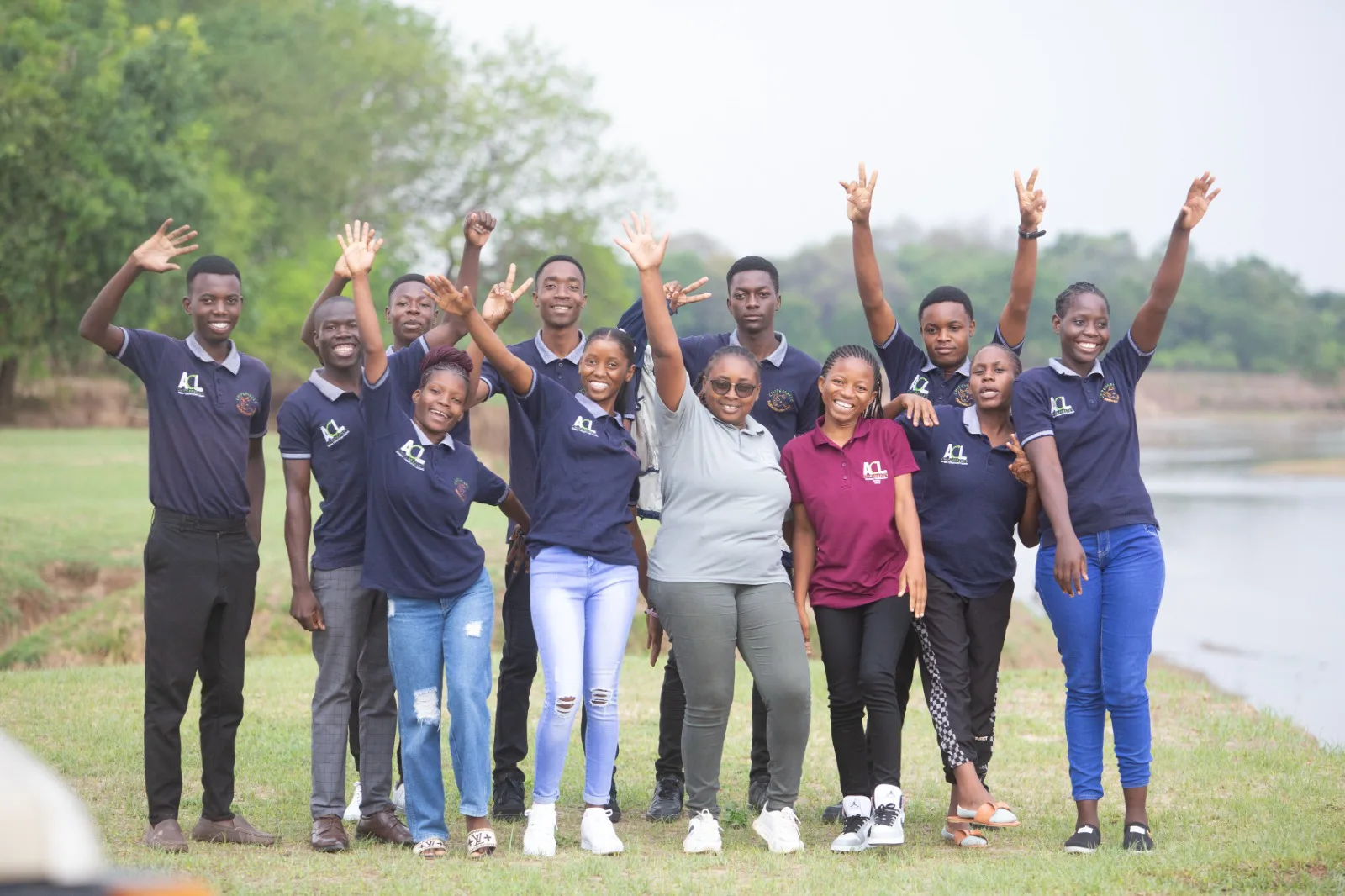
Her transition into conservation leadership became more defined when she joined Chipembele Wildlife Education Trust as a Youth Leadership Coordinator. She now coordinates the Aspiring Conservation Leaders (ACL) programme, which focuses on youth development, conservation learning, leadership training, career guidance and mentorship.
Through this role, she supports young people in identifying opportunities for further education, employment and careers in conservation, while helping them develop the skills and confidence to become active contributors to the sector.
Suuba expressed that the experience of being mentored has also influenced how she approaches leadership and the importance she places on supporting others.
“Being a mentee taught me that leadership is not a destination you arrive at; it is a continuous journey of learning, unlearning, growing and making room for others to grow alongside you.”
Today, she has the opportunity to provide guidance to young people through the ACL programme, helping them discover their strengths and see themselves as future conservation professionals and leaders. It is a reflection of how mentorship can extend beyond the individual, creating opportunities for knowledge, experience and encouragement to be passed on to the next generation.
Recognising the challenges women face in accessing opportunities for professional development and leadership within the conservation sector, Wildlife Crime Prevention (WCP) established the Women for Conservation initiative to provide a platform for women to connect, learn and grow.
In June 2020, the initiative launched a Virtual Mentorship Programme to provide support, guidance and encouragement to young Zambian female conservationists, particularly those at the early stages of their careers.
The programme connected mentees with accomplished Zambian and international conservation professionals, providing an opportunity to learn from their experiences and expertise while gaining a better understanding of how to navigate the conservation workspace.
Two mentorship cohorts were held, in 2020 and 2022, providing participating women with opportunities to build professional relationships, strengthen their skills and gain confidence in their career journeys.
Building on the foundation established through these programmes, Women for Conservation has since expanded into a Leadership Programme, which is currently running its second cohort. The expanded programme reflects the continued importance of investing in women’s professional development and strengthening their capacity to take on leadership roles within the conservation sector.
Ultimately, mentorship is about creating opportunities for people to grow, recognise their potential and become more confident in the contributions they can make. In conservation, where the next generation of leaders will play an important role in shaping the future of the sector, investing in early-career professionals is equally an investment in the future of conservation itself.
Through the Women for Conservation movement, WCP continues to contribute to this effort by creating spaces where women can learn from one another, develop their leadership potential and, in time, become mentors and role models for those following in their footsteps.
0 Comments