
By Natasha Kabanda
Zambia’s ambition to increase copper production carries a responsibility that extends beyond the mine gate. It reaches the rivers that supply drinking water, the fields that sustain families, and the communities that will live alongside mining waste long after production ends.
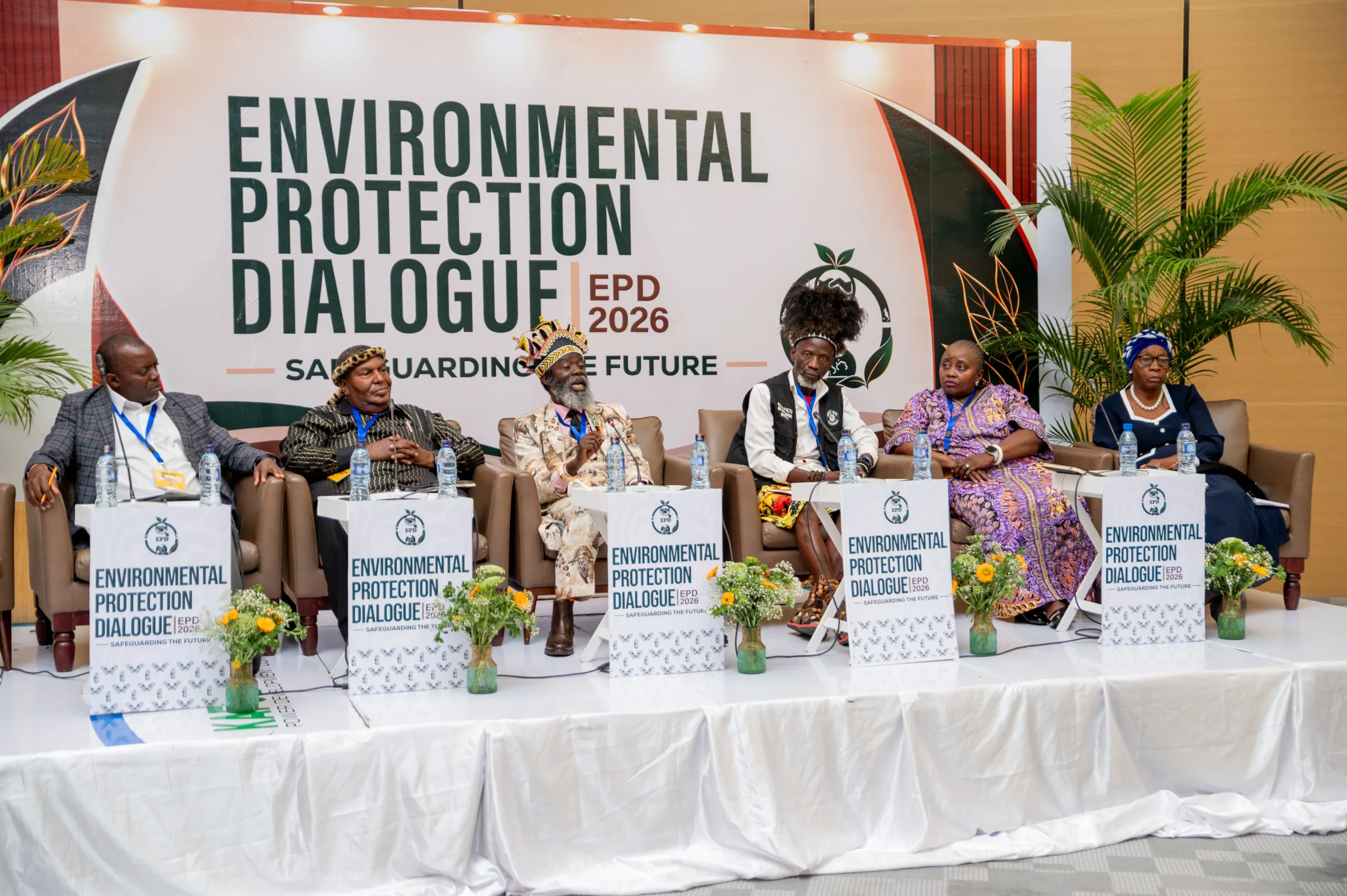
This responsibility was central to the sixth Environmental Protection Dialogue (EPD), held in October at the Mulungushi International Conference Centre in Lusaka.
Convened by the Centre for Environment Justice (CEJ) under the theme “Safeguarding Our Future: Addressing the Impact of Environmental Degradation in Zambia”, the dialogue brought together government representatives, traditional leaders, civil society organisations, mining industry representatives, development partners, academics and young people.
Over three days, participants examined how Zambia can pursue economic growth while protecting the natural resources on which its people and economy depend. The safety of tailings storage facilities, community participation and accountability for environmental damage featured prominently.
Opening the dialogue, CEJ Executive Director Maggie Mwape linked Zambia’s target of producing three million tonnes of copper annually to the need for stronger environmental responsibility.
“If production triples, our responsibility must also triple,” Ms Mwape said.
Her message placed environmental protection firmly within the country’s development ambitions. Tailings, the waste material left after mineral processing, cannot be treated solely as an engineering concern. When storage facilities fail or leak, the consequences can extend into streams, farmland and the food chain.
Ms Mwape challenged delegates to consider whether communities downstream understand the risks they face, whether inspections are independent and who bears the cost when something goes wrong. These questions gave the discussions an immediate relevance, particularly following the 2025 Sino Metals spill and the concerns it raised about water safety, livelihoods and environmental oversight.
Delivering the keynote address, Third World Network Africa Coordinator Dr Yao Graham urged delegates to consider mining waste within the wider debate about mineral development.
Dr Graham said mineral development had, for too long, been assessed mainly through export earnings, while waste and its long-term risks were treated as burdens for local communities to carry.
He argued that Zambia’s copper production ambitions require equally serious planning for stronger environmental governance. He also called attention to the need for a strategic environmental and social assessment of the three-million-tonne production pathway.
Such an assessment would help examine the combined pressures that expanded mining could place on land, water and communities, beyond the impacts considered for individual projects. His contribution also raised a question of fairness between generations: how can today’s mineral wealth create lasting benefits without leaving future generations to manage unsafe facilities and damaged ecosystems?
For traditional leaders, these concerns are already part of community life. During the panel discussion on the role of traditional leadership in tailings dam management, Chieftainess Msoro highlighted gaps in the involvement of chiefs and communities in mining decisions.
Chieftainess Msoro said traditional leaders were not represented on the Mineral Regulation Commission and were often informed about mining activities only towards the end of the decision-making process, limiting opportunities for informed participation.
She also called on traditional leaders themselves to demonstrate transparency and accountability in their dealings with investors. Her remarks reinforced a recurring message throughout the dialogue: consultation must begin while communities can still influence decisions.
Participants called for traditional leaders to be represented on tailings dam safety committees and for communities to receive clear information about proposed developments, monitoring results and emergency procedures. Making technical information available in local languages was identified as an essential part of this process.
The discussions also examined what happens when environmental safeguards fail. Speakers highlighted the loss of clean water, agricultural land and livelihoods, alongside concerns about health and the adequacy of compensation. Recommendations included emergency assistance, fair compensation and continued monitoring of affected communities.
Preventing such harm requires both stronger institutions and reliable technical practice. Panellists discussed the use of drones, satellite monitoring and instruments that measure water pressure and ground movement. These tools can help detect warning signs, but participants stressed that their value depends on competent engineers, sound design and people able to interpret and act on the information collected.
Calls were made for Zambia to adopt the Global Industry Standard on Tailings Management and establish a publicly accessible national register of tailings storage facilities. The dialogue also created space for stronger civil society coordination through the launch of a Civil Society Caucus, anchored by Publish What You Pay. The platform is intended to support environmental monitoring, shared advocacy and strategic litigation.
Children and young people added their voices, highlighting how pollution and climate-related disasters affect access to water, education and household livelihoods. They called for understandable early warning information, inclusive disaster planning and support for youth-led environmental initiatives.
Their participation underlined why environmental information must reach beyond specialists. Communities need to understand the risks around them, know where to report concerns and have confidence that those concerns will receive a response.
As the dialogue closed, attention turned to implementation. Recommendations require resources, clear responsibilities and continued public scrutiny if they are to improve conditions on the ground.
For Zambia, the challenge is to ensure that growth in mineral production is accompanied by stronger protection for people, water and land. The success of the Grow Zambia agenda will also be measured in the safety of communities and the condition of the environment they inherit.
0 Comments