
By Natasha Kabanda
As Zambia joined the rest of the world in commemorating the International Day of Forests 2026 on 21 March 2026. Nkhwazi Primary School in Lusaka took a step ahead, hosting a meaningful commemoration on 20 March 2026, a transformative event organised by the National Prosecutions Authority (NPA), in partnership with the Forestry Department, Wildlife Environmental Conservation Society of Zambia (WECSZ), and Wildlife Crime Prevention Zambia (WCP). This wasn’t just a ceremony, it was a bold statement on how forests fuel economies, sustain communities, and demand protection through justice and education.
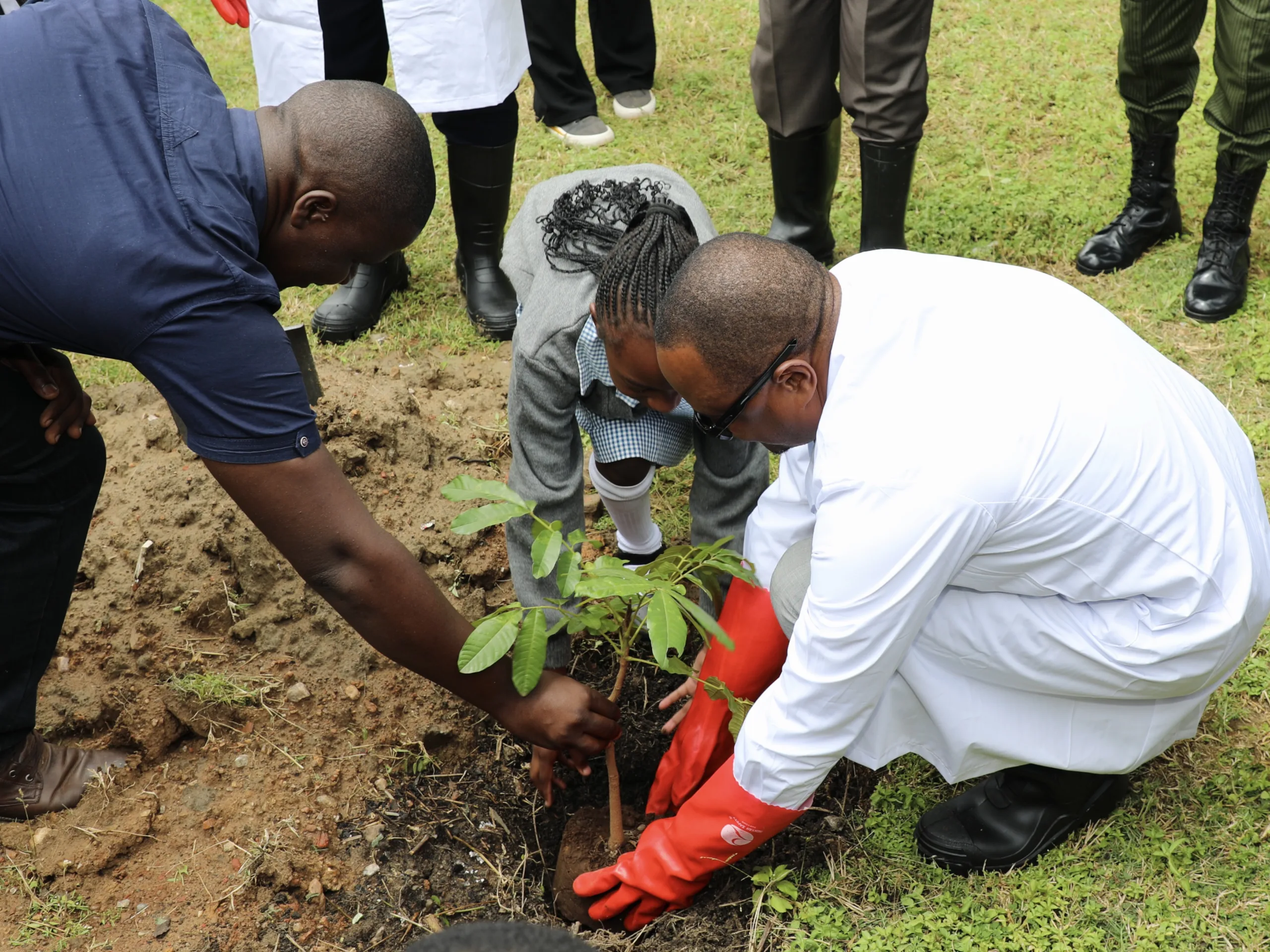
Held under this year’s theme, “Forests and Economies,” the event focused on making the connection between natural resources and everyday life clear and relatable, especially for the pupils. The programme was simple but impactful. The highlight of the day was a symbolic tree planting ceremony, a simple yet powerful act that reflected the deeper purpose of the commemoration: investing in the future by protecting the present.
Delivering the keynote address, Mr. Gilbert A. Phiri, SC, Director of Public Prosecutions, captured the attention of pupils and adults alike with a thought-provoking and interactive opening.
“I want to begin with a simple question for the young people here,” he said, pausing to engage the children. “How many of you have ever sat under a tree on a hot day? How many of you have eaten fruit that fell from a tree?”
Through this relatable exchange, Mr. Phiri reminded the audience that forests are not distant or abstract, they are deeply woven into everyday life. He went on to emphasise the significance of this year’s theme, breaking it down into practical realities that resonate with communities.
“It means trees put food on tables. It means forests give us clean water. It means the wood used to make your desks, the paper in your books, the air you breathe, all of it comes from forests.”
His remarks emphasised a critical truth: the health of forests is directly tied to the health of economies. From providing raw materials and supporting agriculture to sustaining livelihoods in rural communities, forests are indispensable.
However, Mr. Phiri did not shy away from addressing the threats facing Zambia’s forests. Speaking directly to the adults present, he stressed the gravity of environmental crimes.
“Environmental crime is not a minor offence. Illegal logging, wildlife trafficking, and the destruction of our natural heritage, these are serious crimes. They rob communities of resources. They undermine our economy. They threaten the future our children deserve.”
He reaffirmed the commitment of the National Prosecutions Authority to hold perpetrators accountable, stating firmly that those who break environmental laws will face the full force of justice.
Yet, it was his message to the pupils that left a lasting impression.
“You are not too young to matter in this fight. In fact, you are exactly who we need.”
In a significant announcement, Mr. Phiri revealed that the NPA, through its Environmental Crimes and Wildlife Department, will launch Pangolin Clubs in schools across Zambia beginning next year. Nkhwazi Primary School was named as the first to pioneer this initiative.
These clubs will serve as platforms for environmental education, empowering learners to become ambassadors for conservation in their homes and communities. Through this initiative, children will gain knowledge about forests, wildlife, and the importance of protecting Zambia’s natural heritage.
Adding to the day’s educational component, Mr. Sikela Namangolwa, Environmental Education Officer for the Lusaka Branch under WECSZ, delivered an engaging lesson tailored for the pupils. He highlighted the importance of forests in sustaining life, explaining how they regulate climate, protect water sources, and support biodiversity.
Mr. Namangolwa also addressed the major threats facing forests, including deforestation, illegal logging, and unsustainable land use practices. Importantly, he emphasised that children have a vital role to play in conservation.
From avoiding activities such as cutting down of trees, starting bush fires to reporting illegal activities and participating in tree planting, pupils were encouraged to take ownership of their environment. His message reinforced the idea that environmental stewardship begins with small, everyday actions.
Further enriching the discussions, Ms. Suwilanji Sichone, Pangolin Programme Coordinator at WCP Zambia, highlighted the ecological significance of forests as biodiversity hotspots.
She explained that forests provide a home to approximately 80 percent of the world’s terrestrial species, including plants, animals, and insects. This staggering statistic illustrates the critical role forests play in maintaining ecological balance.
Focusing on Zambia, Ms. Sichone noted that the country’s forests are home to two species of pangolins, the Temminck’s ground pangolin and the white-bellied pangolin also known as the tree pangolin. A pangolin is one of the most trafficked mammals in the world. She spoke about the Protect the Pangolin Initiative, which aims to safeguard these unique creatures through awareness, conservation efforts, and community engagement.
She also shed light on the ongoing pangolin rehabilitation programme, which focuses on rescuing and rehabilitating trafficked or injured pangolins before releasing them back into their natural habitats. This initiative not only protects a vulnerable species but also highlights the interconnectedness of wildlife conservation and forest preservation.
The event at Nkhwazi Primary School demonstrated how partnerships can drive meaningful impact. By bringing together law enforcement, conservation organisations, and educational institutions, the initiative created a platform for knowledge sharing and community engagement.
The tree planting activity itself symbolised more than environmental restoration, it represented hope, responsibility, and continuity. As Mr. Phiri aptly noted in his remarks, planting a tree is an investment in future generations.
“When we plant a tree, we plant hope. When we protect a forest, we protect a nation.”
This message resonated strongly as pupils, teachers, and stakeholders participated in the planting exercise, each contributing to a shared vision of a greener and more sustainable Zambia.
The commemoration of the International Day of Forests 2026 at Nkhwazi Primary School served as a powerful reminder that forests are central to both ecological and economic well-being. They provide livelihoods, support industries, and sustain communities, making their protection a national priority.
As Zambia continues to confront challenges such as deforestation and wildlife crime, initiatives like the Pangolin Clubs and community-based conservation programmes offer a pathway forward. By investing in education and empowering young people, the country is nurturing a generation that understands the value of its natural resources and is committed to protecting them.
Ultimately, the event reinforced a simple yet profound truth: the future of Zambia’s forests lies in the hands of its people, especially the young people.
And at Nkhwazi Primary School, that future has already begun to take root.
0 Comments