
By Salima Mvula
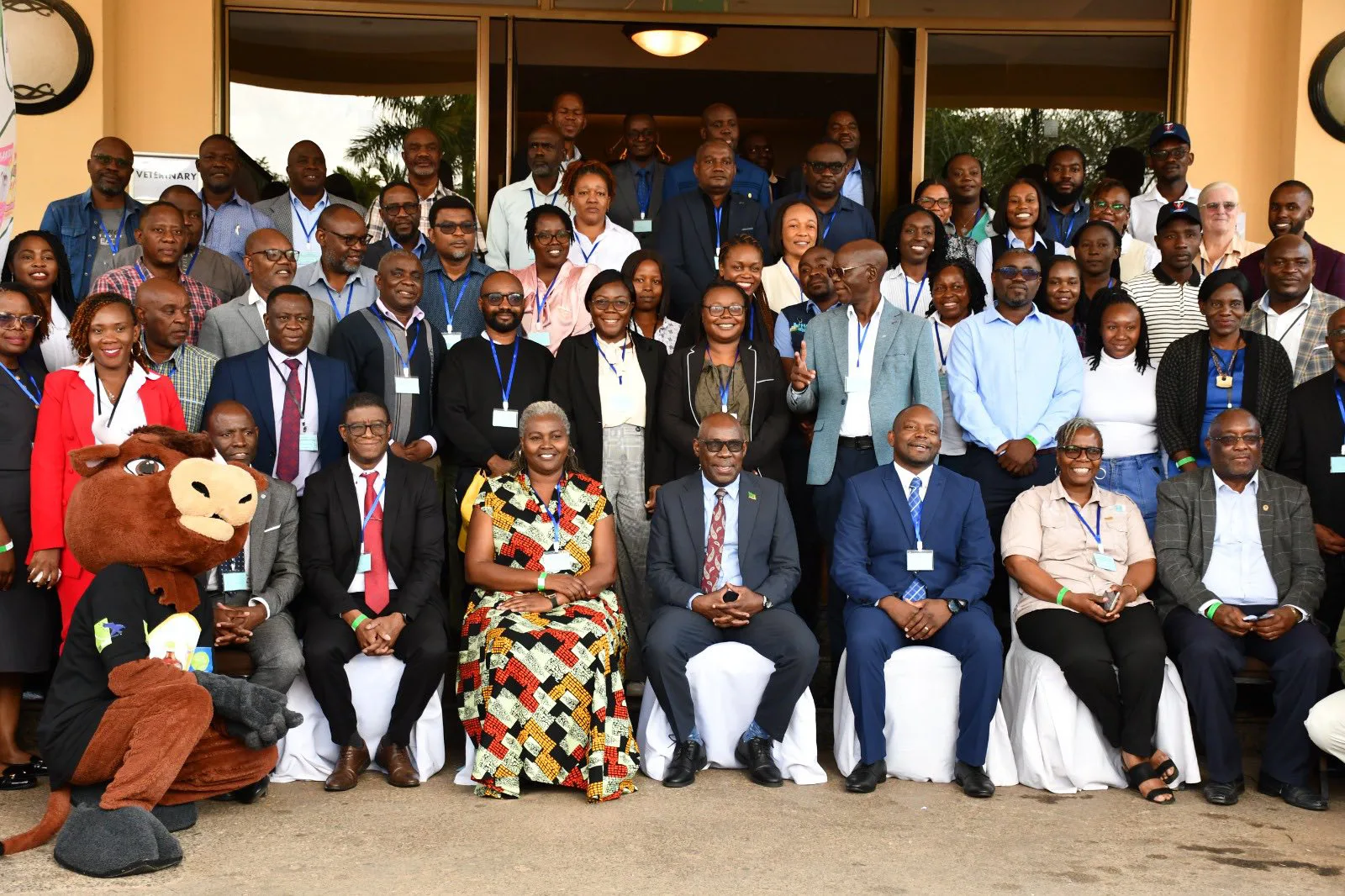
Veterinary professionals have been urged to play a greater role in wildlife conservation efforts following the presentation of a new study on pangolin rescue and rehabilitation at the 82nd Annual General Meeting and Scientific Conference of the Veterinary Association of Zambia (VAZ).
The study, titled “Role of the Veterinary Profession in Pangolin Rescue and Rehabilitation in Zambia,” conducted this year, was presented in Lusaka by First Quantum Mineral – Trident Environmental Superintendent, Dr. David Square, alongside Wildlife Crime Prevention (WCP) Pangolin Programme Manager, Suwilanji Sichone.
Presented before veterinary professionals from across the country, the paper highlighted the critical contribution veterinarians make in the rescue, treatment, rehabilitation, and eventual release of pangolins rescued from the illegal wildlife trade.
Pangolins, recognised as one of the world’s most trafficked mammals, often arrive at rehabilitation centres in poor condition after being rescued from traffickers. According to the study, many suffer from severe dehydration, stress, malnutrition, injuries, and gastrointestinal complications, making specialised veterinary intervention essential to their survival.
The research also noted the growing importance of veterinary science in wildlife conservation and called for stronger collaboration between veterinarians, conservation organisations, and law enforcement agencies working to combat wildlife crime.
Zambia is home to two species of pangolins, the Temminck’s Ground Pangolin and the White-bellied Tree Pangolin, both heavily targeted by traffickers for illegal wildlife markets.
Unlike many trafficked species, pangolins are often transported alive because they are believed to hold greater value alive than dead, and worse off, pangolins have historically suffered high mortality rates in captivity. This creates a narrow but important opportunity for rescue and rehabilitation efforts.
In response to the growing number of live rescues, WCP Zambia, working closely with the Department of National Parks and Wildlife (DNPW), established a specialised pangolin rehabilitation centre dedicated to providing veterinary care, nutritional support, and species-specific rehabilitation for rescued pangolins before they are released back into their natural habitat.
The work at the rehabilitation centre reflects the veterinary innovation and wildlife conservation efforts highlighted at the VAZ Annual General Meeting and Scientific Conference, a platform for sharing research and advancements in animal health, conservation, public health, and environmental stewardship.
In a welcoming message to participants of the meeting, VAZ President Dr. Eugene Bwalya emphasised the broad role veterinarians continue to play in addressing complex national and global challenges.
Referring to the conference book of abstracts, Dr. Bwalya said, “The scientific contributions compiled in this book demonstrate the breadth of that responsibility. They highlight the profession’s commitment to evidence generation, innovation, and practical solutions for challenges affecting livestock systems, companion animals, wildlife, and communities.”
Held under the theme “Veterinarians: Guardians of Food and Health,” the conference highlighted the profession’s role in disease prevention and control, antimicrobial stewardship, wildlife conservation, and advancing One Health approaches that recognise the interconnectedness of human, animal, and environmental health.
As Zambia continues strengthening efforts to combat wildlife crime, members of the public are being encouraged to support the work of veterinarians and conservation teams helping to protect endangered species like pangolins.
Supporters can contribute towards sustaining the DNPW–WCP Rehabilitation Centre and its vital work rescuing, rehabilitating, and releasing pangolins back into the wild.
To donate, visit: www.wildlifecrimeprevention.com/Donate/
0 Comments