
Families displaced for a coal mine say development left them poorer, sicker, and unheard.
By Mukwima Chilala
In the hills of Sinazongwe’s Mweemba village in southern Zambia, where dust from coal trucks settles on cracked mud houses, more than 50 families say development has cost them their homes, their land, and their dignity.
Residents say they were pushed off their ancestral land to make way for a coal mine operated by African Power Coal Limited, a project they were told would bring modern housing, fertile farmland, and prosperity. Two years later, many are living in collapsing structures, walking long distances for water, and battling dust-related illnesses. What was presented as development, they say, has instead become a stark example of broken promises, environmental neglect, and weak protection for displaced communities.
Promises that never came
Interviews with residents across Mweemba Chiefdom reveal a consistent story of unmet commitments.
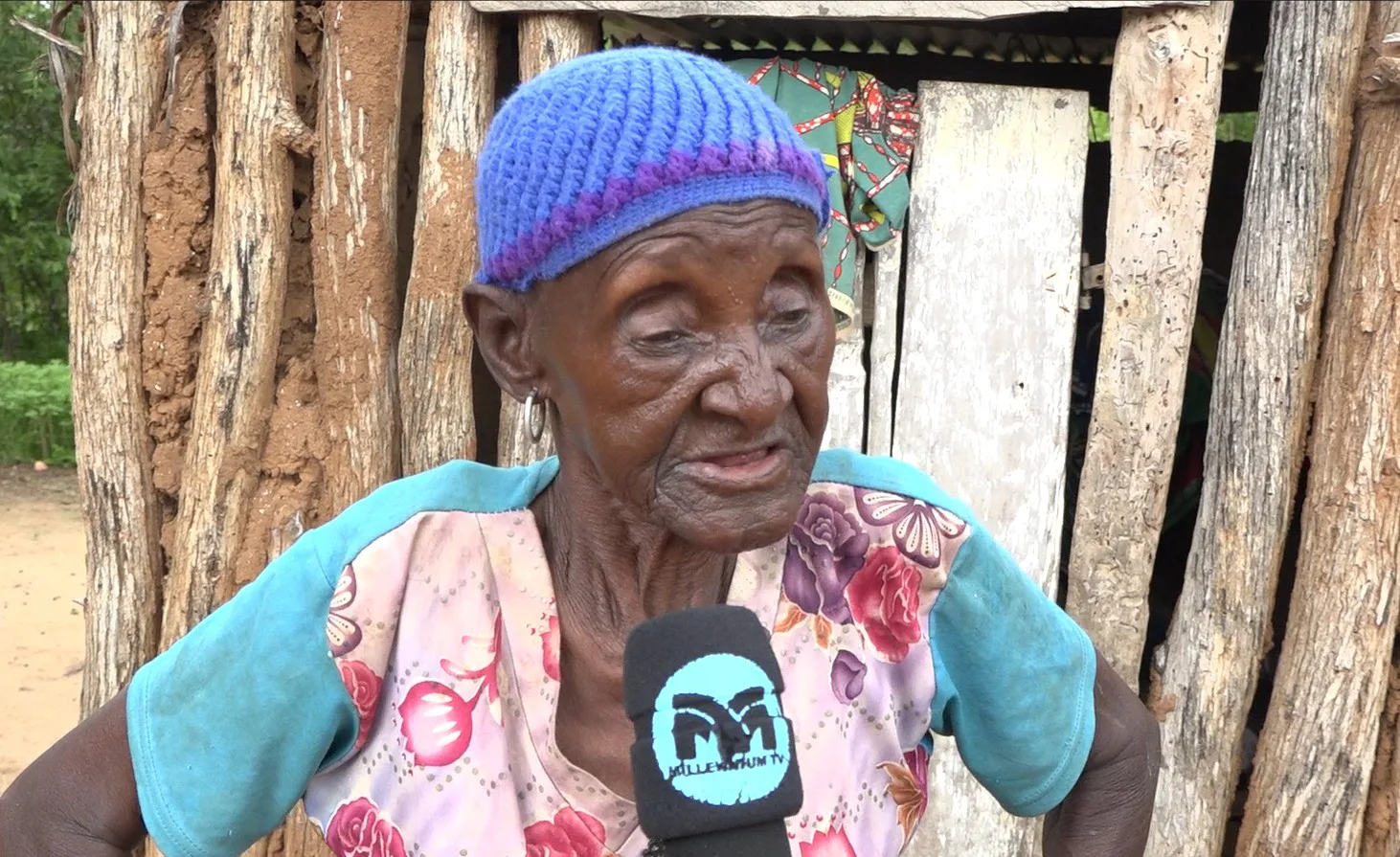
“We were told they would build us decent houses,” said 72-year-old Agness Hamoonga. “Instead, we are living in makeshift shelters. This is the second time we’ve been removed, first for the Kariba dam in the 1950s, now for coal.”
Families say they were relocated before houses or basic infrastructure were completed. Many ended up on borrowed land or squeezed into small structures prone to collapse. The land allocated for resettlement, they say, is less fertile, destroying household food production. Children walk long distances to school, while water sources that once sustained the community have either dried up or become unsafe.
A timeline of failure
A review of events shows that displacement moved faster than safeguards.
- 2022: African Power Coal Mine begins negotiations with village leaders
- 2022–2023: Families told to vacate land; promises of houses and fertile land
- April 2023: Relocation begins before housing is completed
- 2023–2024: Complaints mount over housing, water, and farmland
- 2025: Officials deny receiving complaints; residents say reports were ignored
Residents say once they were moved, their concerns were left unresolved.
Living with the consequences
“The mine has made life worse for us,” said Sinkila Siamachoka, a father of six. “We lost our farmland, and the houses built here can collapse at any time.”
Mothers walk up to five kilometres daily in search of drinking water. Elderly residents say daily life has become harder than before displacement, compounding historical trauma dating back to earlier resettlements linked to the Kariba dam.
“This is history repeating itself,” said Elias Mweemba. “Our parents suffered. Now it’s us.”
Rivers turn brown
In neighbouring Mulungwa village, just metres from the mine, residents say their once-clear river, a tributary linked to the Zambezi and Lake Kariba, has turned brown from mine runoff. Livestock have fallen sick, children suffer persistent coughs, and farmers report declining crop yields due to coal dust settling on fields. A video recorded during this investigation shows thick brown water flowing downstream, though no independent chemical analysis has been publicly released.
Environmental activist Freeman Mubanga said communities feel abandoned. “ZEMA should be protecting people like these in Sinazongwe,” he said. “This is why Zambia urgently needs a Resettlement Act.” Residents say no environmental audits have been shared with them.
A legal gap that leaves communities exposed
Zambia’s National Resettlement Policy, relaunched in 2024, focuses largely on flood and disaster displacement, leaving communities displaced by mining without binding protections.
“The laws protect mining companies more than communities,” said Patrick Musole of the Zambia Land Alliance. Civil society groups are now calling for a comprehensive Resettlement Act that would mandate compensation standards, livelihood restoration plans, independent monitoring, and penalties for non-compliance.
Without such a law, displaced communities have limited recourse when promises are broken.
Thin capital, high impact
Corporate records from the Patents and Companies Registration Agency (PACRA) show that African Power Coal Limited was incorporated in 2016 with a nominal share capital of just K20,000, despite undertaking a large-scale mining operation that has displaced more than 50 families.
The low share capital suggests the project was structured around minimal shareholder risk and heavy dependence on borrowed money. Operations are largely financed through loans and mortgages, meaning lenders, not communities, are prioritised in any financial crisis.
Ownership and control
PACRA records show that effective control of the company rests with foreign shareholder Huang Jibo and Zhongyun Weng, a Zambian national of Chinese origin, who together hold the majority of the company’s shares. In contrast, Zambian shareholders Davies Simbaya and Jonathan Kondowe Kays hold significantly smaller stakes, limiting local influence over key decisions. Analysts say such a structure raises questions about accountability and financial capacity.
Mounting debt
The filings reveal deep financial strain, including multiple unpaid mortgages running into hundreds of millions of dollars. These include at least four separate USD 46 million mortgages registered in April 2024, alongside earlier unpaid loans from Zambia National Commercial Bank.
Taken together, the records raise serious questions about whether the company had the financial capacity to deliver promised housing, land, resettlement, and environmental protection, and whether regulators adequately scrutinised the project before displacement occurred.
Political proximity and company claims
One of the shareholders, Kays, is publicly associated with the ruling United Party for National Development and was photographed in 2022 after purchasing President Hakainde Hichilema’s hat at a fundraising auction for K2.5 million, an event widely shared on social media.
Kays has denied allegations of neglect raised by residents, saying the mine has engaged in corporate social responsibility, including building houses for displaced families.
However, field visits show incomplete and deteriorating structures, makeshift shelters built from sticks and mud, and families without farmland or reliable access to clean water.
Official silence
Local council officials declined to comment, shifting responsibility to Lusaka.
Asked whether the mine was under investigation, Minister of Green Economy Mike Mposha said government had received no official complaints contradicting residents’ accounts. He said monitoring had been intensified but provided no evidence of inspections specific to African Power Coal Mine.
ZEMA asked for more time comment, saying a response would be provided later.
A national pattern
The Sinazongwe case mirrors broader displacement challenges across Zambia, where mining and energy projects often advance faster than safeguards for affected communities.
Experts warn that with new mineral discoveries emerging, displacement scandals are likely to grow unless enforcement improves.
“We are not against development,” said local resident Agness Hamoonga. “But development should not destroy our lives. All we want is fairness and dignity.”
0 Comments