
WCP Zambia
Pangolin Rehabilitation and Release
Pangolins are the most trafficked mammals in the world, driven by the demand for their scales and meat in illegal markets.
Pangolin Protection and Rehabilitation
Pangolins are the most trafficked mammals in the world, driven by the demand for their scales and meat in illegal markets. Zambia is home to two species—the Temminck’s Ground Pangolin and the White-bellied Tree Pangolin—both of which are heavily targeted by wildlife traffickers. In response, Wildlife Crime Prevention (WCP) works closely with the Department of National Parks and Wildlife (DNPW) to combat the illegal pangolin trade by assisting in the seizure and rescue of these animals across the country.
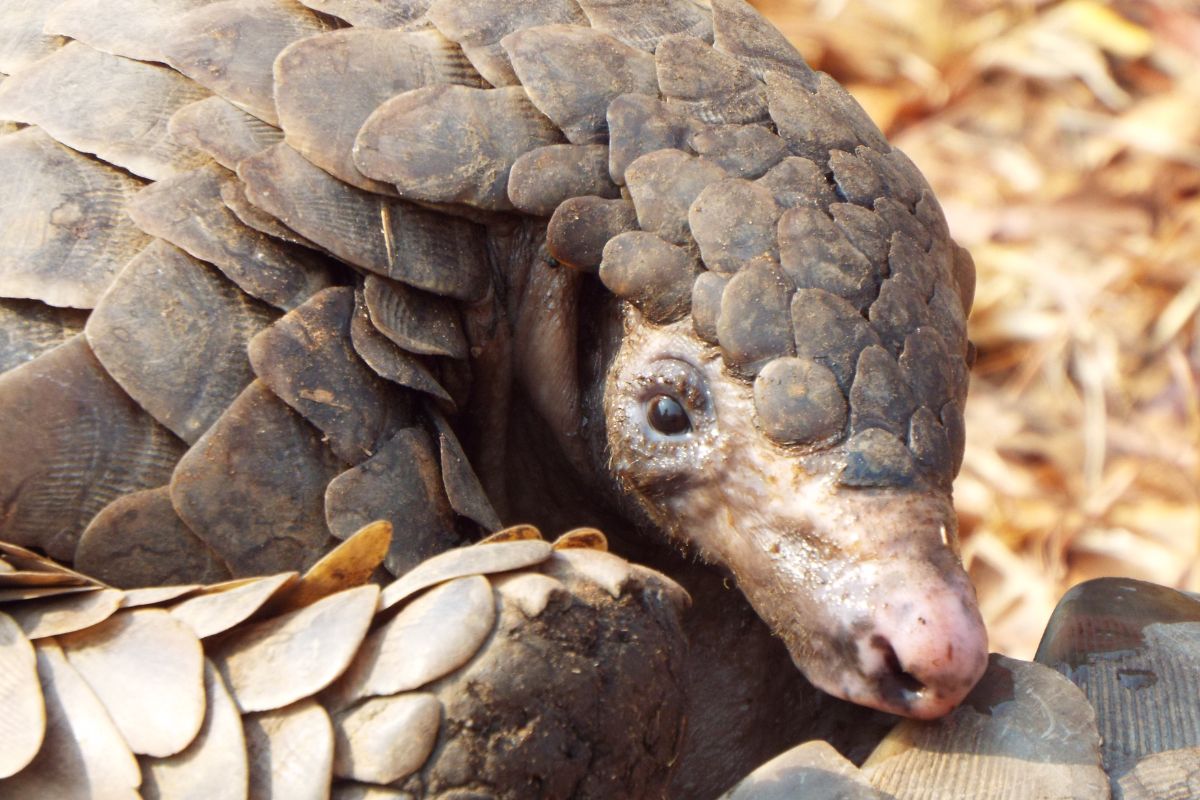
Unlike many other trafficked species, pangolins hold greater value for end consumers when alive rather than dead. This means that many are intercepted and recovered while still alive, providing an opportunity for rehabilitation and eventual release. However, pangolins that have spent time in the hands of traffickers often suffer from severe stress, malnutrition, dehydration, and injuries. These animals require specialised care before they can return to the wild.
Pangolin Rehabilitation at WCP
Recognising the need for specialised care, WCP, in partnership with DNPW, established a pangolin rehabilitation centre to provide medical treatment, nutritional support, and species-specific care. The centre is designed to support recovery and ensure animals regain the condition necessary for survival in the wild.
At the centre, each pangolin undergoes a thorough health assessment to determine its condition and required care. Rehabilitation includes controlled feeding, wound treatment, and close monitoring to support the recovery of natural behaviours. As pangolins are nocturnal and solitary, rehabilitation protocols account for their specific environmental and behavioural requirements.
Returning to the Wild
The objective of WCP’s rehabilitation efforts is to return each rescued animal to its natural habitat once it is fit for release. A pangolin is released only after meeting key recovery criteria:
-
Healing from wounds and illnesses – Injuries sustained during captivity are fully treated
-
Healthy body weight – The animal regains sufficient strength to sustain itself independently
-
Stable condition and behaviour – Natural behaviours such as foraging and movement are restored
Whenever possible, pangolins are returned to their original location. Where this is not feasible, suitable habitat within their natural range is identified by relevant authorities.
Pangolin Protection Efforts
Efforts to address pangolin trafficking include rescue, rehabilitation, and release, alongside collaboration with law enforcement and conservation partners. Through these activities, WCP contributes to the protection of pangolin populations in Zambia.