
WCP Zambia
Law Enforcement
The illegal wildlife trade refers to crimes involving live wildlife, wildlife products or their derivatives, both flora and fauna, across the world.
Law Enforcement Support
Wildlife and environmental crime present significant challenges for law enforcement agencies in Zambia and across the Southern African region. These crimes are frequently transnational in nature, requiring coordination across multiple jurisdictions and agencies to effectively detect, disrupt, and prevent illegal activities.
Illegal wildlife trade (IWT) is driven by organised criminal networks, economic incentives, and gaps in enforcement capacity. Addressing these challenges requires a coordinated and strategic approach that strengthens collaboration, enhances operational effectiveness, and improves information sharing.
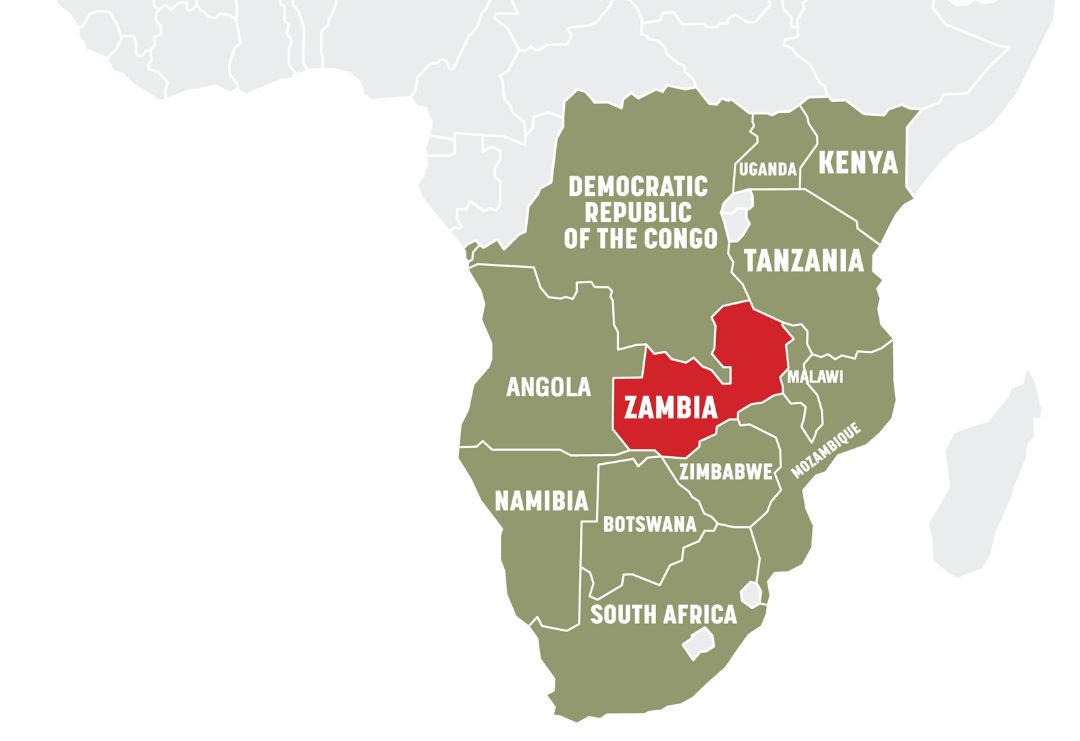
To address the complexity of IWT across the region, WCP applies a regional problem-solving approach that brings together key partners across sub-Saharan Africa to improve coordination and enforcement outcomes.
Strengthening Enforcement Capacity
Recognising that wildlife crime is both a conservation and law enforcement issue, WCP works to strengthen cross-border coordination, improve information sharing, and enhance the ability of authorities to detect and disrupt illegal activities.
A key component of this work is improving understanding of the drivers of wildlife crime, including the role of organised criminal networks and illegal trade routes. Public information initiatives highlight the risks and consequences of wildlife crime for biodiversity, economic stability, and national security.
WCP supports the delivery of training programmes, technical resources, and operational tools that enhance the effectiveness of law enforcement agencies. Through regional forums and the exchange of best practices, WCP contributes to a more coordinated and effective response to environmental crime.
Integrated Approach
By integrating anti-poaching efforts with counter-trafficking strategies, WCP strengthens the Department of National Parks and Wildlife’s (DNPW) ability to address both domestic and cross-border threats.
Through direct support to mandated institutions in Zambia and across the region, WCP increases the operational capacity and resources available to combat wildlife crime and improve enforcement outcomes.
Government Partnerships
WCP collaborates with key government institutions to support wildlife crime prevention efforts. These include:
-
Department of National Parks and Wildlife (DNPW)
-
National Prosecution Authority (NPA)
-
Zambian Correctional Services (ZCS)
-
Drug Enforcement Commission (DEC)
-
Forestry Department
-
Anti-Corruption Commission (ACC)
Support provided includes:
-
Operational resources
-
Training and technical support
-
Public information initiatives
-
Support to effective prosecutions and appropriate sentencing
Through strengthened national and international cooperation, wildlife trafficking is disrupted across a wider geographic area, increasing overall effectiveness.
Role of Law Enforcement
Effective wildlife law enforcement plays a critical role in protecting natural resources, maintaining environmental stability, and reducing the impact of criminal activity.
Illegal wildlife trade contributes to:
-
Loss of biodiversity and natural resources
-
Reduced economic activity linked to conservation sectors
-
Increased activity of organised criminal networks
By enforcing wildlife protection laws and regulations, authorities help ensure the sustainable management of natural resources and support long-term conservation objectives.
Wildlife enforcement actions contribute to:
-
Protection of natural resources and ecosystems
-
Maintenance of environmental and public safety standards
-
Strengthened rule of law and accountability
-
Deterrence of criminal activity through effective enforcement
Strategic Approach
WCP’s approach addresses the interconnected challenges of biodiversity loss, environmental crime, and illegal trade through coordinated, multi-agency action and long-term strategic planning.
By working closely with government and regional partners, WCP delivers practical and effective solutions to reduce and prevent wildlife trafficking in Zambia and across the region.