
By Salima Mvula
Zambia’s vast landscapes have long supported rich vegetation and thriving wildlife. But today, the signs of a changing climate are becoming harder to ignore. Rivers are shrinking, rainfall is increasingly unpredictable, and temperatures continue to rise. While conservation efforts have traditionally focused on poaching and habitat destruction, a quieter but equally dangerous threat is emerging – climate change.
The Earth is now approximately 1.1℃ warmer than it was in the 1800s, and projections suggest temperatures could rise by as much as 2.7℃ by the end of the century. Such shifts are already disrupting ecosystems, with far-reaching consequences for wildlife.
Across Africa, climate change is intensifying pressure on vulnerable species such as elephants, rhinos, lions, and pangolins – the most trafficked mammals in the world. For these animals, survival is no longer just about evading poachers, but about adapting to a rapidly changing environment.
Rising temperatures and prolonged droughts are reducing access to water and food, while erratic rainfall patterns are altering habitats. In southern Africa, recurring droughts have already led to severe water shortages, affecting both wildlife and communities, and increasing the likelihood of human-wildlife conflict.
The consequences are no longer theoretical; they are already unfolding. For pangolins, the combined impact of climate change and illegal wildlife trade is proving particularly severe.
According to Animal Scientist, Suwilanji Sichone, who manages the pangolin programme at WCP Zambia, changing environmental conditions are directly affecting pangolin survival in the wild.
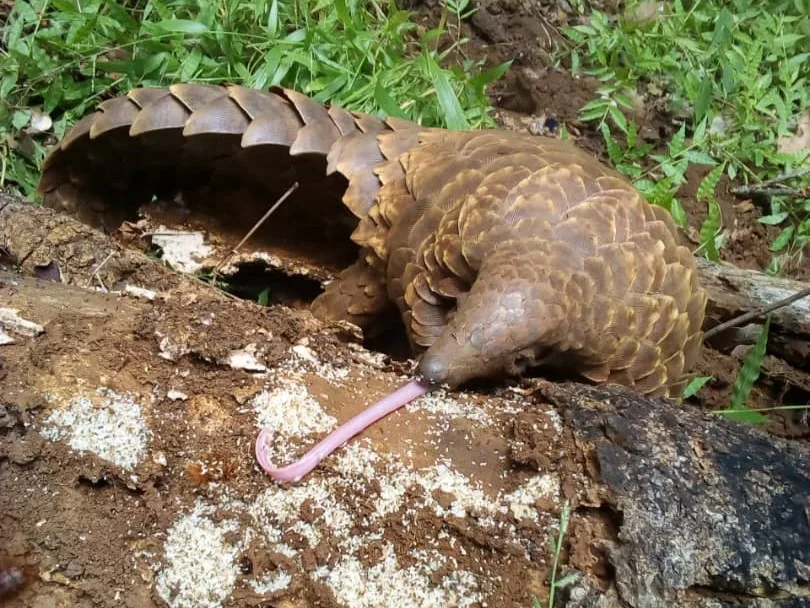
“In recent years, particularly between 2022 and 2024, we recorded cases where pangolins were found dead in the wild due to drought conditions,” she explained. “When there is less moisture in the soil, ants and termites move deeper underground. At the same time, the ground becomes harder, making it difficult for pangolins to dig for food. This can lead to starvation and ultimately death.”
The pangolin programme includes a Pangolin Rehabilitation Centre formed through a partnership between the Department of National Parks and Wildlife and WCP, where rescued pangolins are given a second chance, receiving specialised care, tailored diets, and treatment for injuries, before regaining their strength and being released back into their natural habitat.
As highly specialised feeders, pangolins rely almost entirely on ants and termites, making them especially vulnerable to even slight environmental changes.
Sichone explained how climate change is also affecting their ability to reproduce.
“During drought, many animals, including pangolins, suppress their reproductive functions,” she said. “If the environment cannot support a pregnancy, they do not go on heat. This has serious implications for population recovery.”
Beyond food scarcity, habitat degradation is increasing their vulnerability. Reduced vegetation and ground cover leave pangolins exposed to predators, while declining water sources limit access to mud baths, which are essential for controlling parasites such as ticks and mites.
The effects of climate change are also being felt in conservation efforts themselves, particularly in the rehabilitation and release of rescued pangolins.
Sichone notes that drought conditions are making it increasingly difficult to prepare pangolins for release back into the wild.
“When food is scarce, rescued pangolins take longer to reach the recommended release weight,” she said. “This means they must stay in rehabilitation for longer periods, which significantly increases the cost of care.”
Sichone explained that the challenge is compounded by the pangolin’s highly specialised diet, as there is no alternative food source for pangolins.
“Medication alone is not enough; nutrition is critical. When climate change affects the availability of their natural food, it becomes much harder to get them strong enough for release,” she said.
While pangolins are particularly vulnerable, they are not alone. Keystone species such as elephants are being forced to travel greater distances in search of water, increasing encounters with human settlements. Rhinos face declining grazing conditions, while lions are experiencing reduced prey availability, often leading to conflict with livestock farmers.
At the same time, communities across Zambia are grappling with the effects of climate change, including reduced agricultural productivity and water scarcity. As resources become more limited, pressure on wildlife intensifies through habitat encroachment, increased reliance on bushmeat, and competition for water.
This growing crisis makes one critical reality very clear: the survival of wildlife and people is deeply interconnected.
As climate change continues to reshape ecosystems, conservation efforts in Zambia are evolving to respond to these growing pressures. Initiatives such as the North Luangwa Conservation Programme, implemented by the Frankfurt Zoological Society in partnership with the Department of National Parks and Wildlife, demonstrate how integrated, climate-resilient conservation can work in practice.
Operating across the North Luangwa ecosystem, the programme combines wildlife protection with community-based natural resource management, recognising that long-term conservation depends on both healthy ecosystems and resilient communities.
Climate change is no longer a distant threat. It is a present and growing force shaping the future of Africa’s wildlife.
For Zambia’s wildlife, the challenges are mounting. Without urgent and coordinated action, the combined pressures of climate change, habitat loss, and illegal wildlife trade could push these iconic species closer to extinction.
Protecting them will require more than traditional conservation approaches. It will demand a collective commitment to safeguarding the ecosystems that sustain life.
Because ultimately, the fight against climate change is not just about saving wildlife, it is about securing a future for us all.
0 Comments