
By Salima Mvula
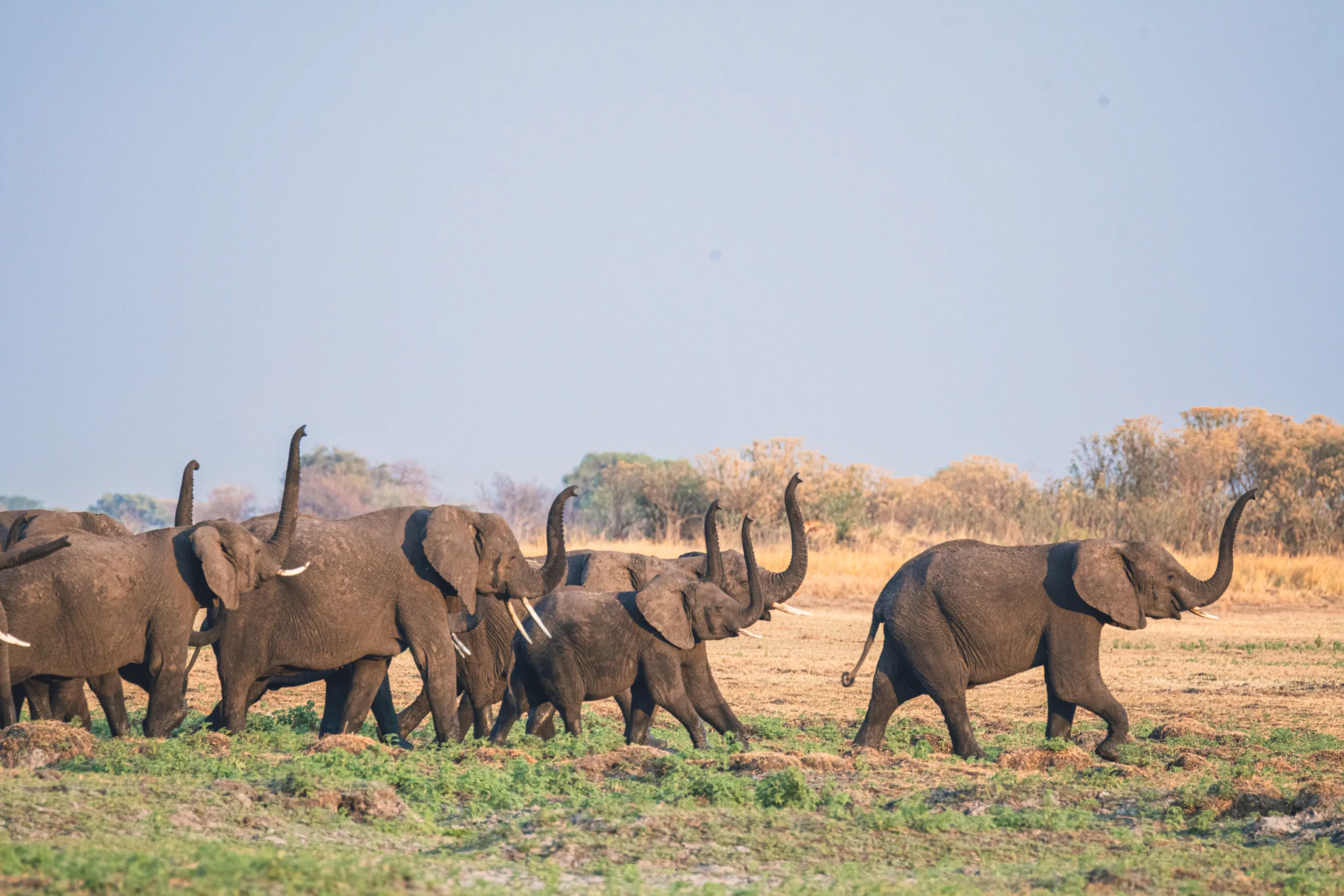
Zambia’s natural heritage is extraordinary. From vast, largely undisturbed wilderness areas to abundant wildlife populations, the country is home to some of Africa’s most remarkable ecosystems. In places such as North Luangwa National Park, visitors can still encounter the Big Five, while Lochinvar National Park and the Luangwa Valley are renowned for exceptional birdlife, attracting birdwatchers from around the world. South Luangwa, meanwhile, is celebrated as the birthplace of the walking safari, offering intimate and immersive wildlife experiences. Zambia’s landscapes are equally diverse, ranging from miombo woodlands and escarpments to the floodplains of Kafue National Park, all of which support a rich variety of plant and animal life.
Despite this natural wealth, Zambia’s wildlife and environment face growing threats. Illegal wildlife trade, poaching, habitat destruction, and the illegal bushmeat trade continue to place immense pressure on ecosystems and species. At the forefront of efforts to address these challenges is Wildlife Crime Prevention (WCP) Zambia, which works in partnership with the Department of National Parks and Wildlife (DNPW), protected area organisations and local communities to strengthen law enforcement, support effective justice systems, and raise public awareness about the importance of conservation.
However, safeguarding Zambia’s natural heritage cannot be left to conservation organisations alone. Real, lasting impact requires collective action. The question, then, is how ordinary citizens can get involved. There are many meaningful ways to contribute, each playing a role in protecting the country’s wildlife and environment.
Volunteer Your Time and Skills
Volunteering remains one of the most direct and impactful ways to support conservation. Across Zambia, organisations working in wildlife protection, environmental education, research, community engagement, and wildlife rehabilitation depend on volunteers to extend their reach and effectiveness.
Whether you are a student, professional, educator, or content creator, your skills can make a difference. Opportunities range from fieldwork and research support to communications, administration, and community outreach. Platforms such as the Careers in Conservation Zambia Job Portal, established by WCP in partnership with ARC Zambia, make it easier for aspiring conservationists to find current conservation jobs and volunteer opportunities within Zambia and the region.
Support Ethical Tourism by Visiting National Parks
Tourism is widely recognised as the backbone of conservation in Zambia. Many tourism operators reinvest a portion of their earnings into conservation initiatives that help curb poaching, support wildlife monitoring, and sustain protected areas. In return, conservation organisations work alongside local communities to protect endangered species and their habitats through anti-poaching and de-snaring patrols, as well as environmental education programmes.
This close relationship between tourism and conservation is reinforced through public awareness campaigns such as Worth More Alive, which addresses wildlife trafficking at Zambia’s international airports. Using bold visual messaging, including life-size sculptures of endangered animals and informative posters, the campaign captures travellers’ attention and delivers a clear message: wildlife generates far greater long-term economic benefits through tourism than through poaching.
When people choose to visit national parks and eco-tourism destinations, they help fund park management and anti-poaching efforts, support local businesses, and strengthen the argument that wildlife is worth more alive than dead.
Learn and Educate Friends, Family, and Your Community
Conservation begins with awareness. Educating friends, family members, and neighbours about the importance of protecting Zambia’s environment helps shift attitudes and influence everyday behaviour. This can be as simple as sharing information about endangered species, discussing the value of healthy ecosystems, or encouraging respect for protected areas and natural resources.
Individual voices also have the power to advocate for stronger environmental policies and better enforcement. Social media has become a particularly effective tool for conservation advocacy, allowing people to share stories, images, and information about Zambia’s wildlife and conservation challenges with both local and global audiences.
Everyday conversations and online engagement help build a culture of conservation that extends beyond formal campaigns. A single post about the shy and elusive pangolins, iconic species like the majestic elephant, or a breathtaking sunrise in South Luangwa can spark curiosity, awareness, and action far beyond one’s immediate community.
Support Conservation Through Donations
Financial contributions play a crucial role in sustaining long-term conservation initiatives. Donations enable organisations to rescue and rehabilitate wildlife, support rangers on the front lines, educate communities, and strengthen law enforcement and justice systems.
One such initiative is the Protect the Pangolins Programme, which focuses on rescuing, rehabilitating, and releasing pangolins back into the wild, while also supporting anti-trafficking operations and public awareness efforts. Since 2019, WCP-supported operations have helped seize more than 800 pangolins from the illegal wildlife trade, with over 763 intercepted and rescued in collaboration with DNPW. Through its specialised Pangolin Rehabilitation Centre, rescued pangolins receive expert veterinary care, appropriate shelter, and specialised diets before being returned to the wild.
Even small, regular donations can have a significant impact when combined with collective support, helping to give one of the world’s most trafficked mammals a genuine chance at survival.
Live More Sustainably
Everyday choices have a direct impact on the environment, and living more sustainably is one of the most accessible ways to support conservation. From reducing waste to being mindful of the products we purchase, small actions can collectively reduce pressure on ecosystems.
Campaigns such as This Is Not A Game highlight the dangers of the illegal bushmeat trade and encourage consumers to make responsible choices by purchasing legal game meat from authorised retailers. Choosing sustainable options helps protect wildlife, supports legitimate livelihoods, and contributes to healthier ecosystems. As more individuals adopt sustainable practices, cultural norms begin to shift, driving long-term behavioural change.
Report Wildlife Crime
Everyone has a role to play in combating wildlife crime. Members of the public can assist by reporting suspicious activities involving wildlife to the DNPW or other law enforcement agencies. The illegal wildlife trade not only threatens Zambia’s biodiversity but also enriches organised criminal networks.
Timely reporting can save animals, support enforcement efforts, and prevent further environmental damage.
Conservation Is a Shared Responsibility
Protecting Zambia’s wildlife and environment is not the responsibility of a single organisation or sector. It requires participation at every level, from individuals and families to communities, institutions, and government agencies.
As Zambia looks to 2026 and beyond, every action matters. Whether through volunteering, ethical travel, education, donations, reporting wildlife crime, or adopting more sustainable lifestyles, each contribution helps secure a future in which Zambia’s natural heritage continues to thrive.
0 Comments